Starting or expanding a distillery is a significant capital investment. The equipment you choose today will dictate your production workflow, your energy bills, and most importantly, the flavor profile of your spirits for the next decade.
Buying the wrong size or the wrong material isn't just an inconvenience; it's a business risk.
To choose the best Distillery Equipment, you need to look beyond the shiny copper exterior. You need to evaluate the engineering beneath the surface. In this guide, we break down the four critical factors every buyer must consider to ensure their facility is built for success.
Factor 1: Material Quality – The Copper vs. Stainless Debate
The first decision involves metallurgy. The material of your still interacts with your wash, influencing the final taste.
The Role of Copper
Copper is mandatory for premium spirits (Whiskey, Brandy, Rum).
Chemical Reaction: Copper reacts with sulfur compounds created during fermentation, stripping them out of the vapor. Without copper, your spirit may taste "meaty" or sulfurous.
Heat Conductivity: Copper heats up and cools down quickly, offering excellent control.
The Role of Stainless Steel
Durability: Stainless steel (SS304) is stronger, cheaper, and easier to clean than copper.
The Hybrid Solution: Most modern commercial distilleries choose Cassman Hybrid Stills. We build the boiler (pot) from stainless steel for longevity and cost savings, but use a Copper Helmet and Copper Column Plates where the vapor contact happens. This gives you the flavor benefits of copper with the durability of steel.
Factor 2: Capacity – Sizing for Growth
One of the most common mistakes new distillers make is undersizing their equipment.
Calculate Your Throughput
Batch Size: If you buy a 500L still, you need a 500L (or 1000L) fermenter. The system must be balanced.
Shift Planning: How many runs can you do in a day? A typical run takes 4-8 hours.
Future-Proofing: It is often cheaper to buy a slightly larger tank now than to replace a small tank in two years.
Factory Direct Tip: Because we manufacture the equipment ourselves, Cassman can customize the dimensions. If you have a small door but high ceilings, we can design a taller, slimmer tank to maximize your capacity without breaking your building constraints.
Factor 3: Design Features – Efficiency and Control
A still is more than a pot; it's a machine. Look for these specific design features that make your life easier.
1. Heating Method
Steam Heating: Best for larger systems (1000L+). It prevents scorching and provides even heat.
Electric Heating: Good for smaller startups (under 500L) where installing a steam boiler is too expensive.
Direct Fire: Traditional but risky. Only recommended for specific traditional styles.
2. CIP (Clean-in-Place)
Distilling is 20% making alcohol and 80% cleaning. Ensure your Distillery Equipment comes with integrated spray balls and hard piping. You should never have to scrub the inside of a tank by hand.
3. Automation Level
Do you want to turn valves manually, or do you want a Siemens PLC touch screen? Automated reflux valves can help you hit the exact ABV consistency batch after batch.
Factor 4: Supplier Reputation – Who Stands Behind the Metal?
You aren't just buying a machine; you are entering a partnership.
The "Factory Direct" Difference
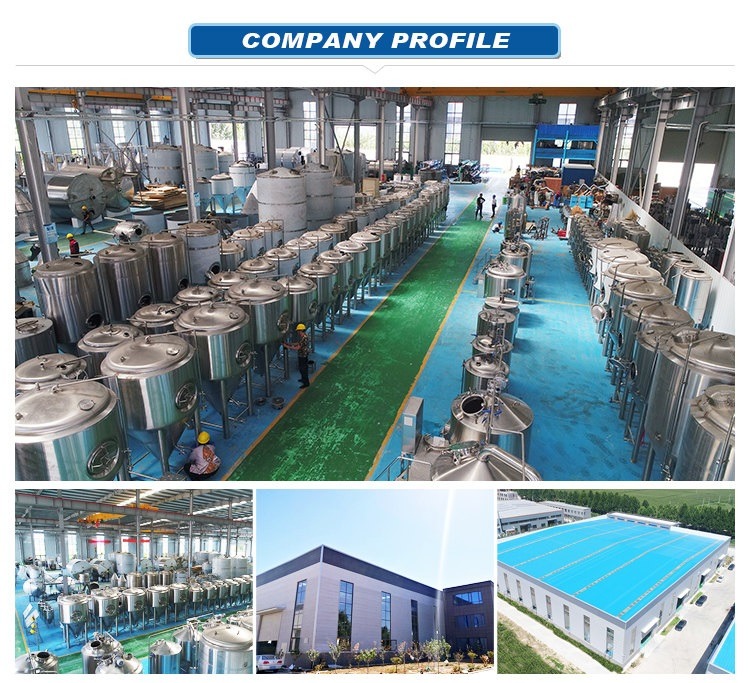
Many online sellers are just trading companies. They don't know how to weld, and they don't have spare parts.
Direct Communication: When you work with Cassman, you are talking to the manufacturer. If you need a custom port added, we just tell our engineers.
After-Sales Support: If a motor fails or a gasket wears out, a factory can ship the part immediately. A reseller might make you wait weeks.
Global Track Record: Look for a supplier who has exported to major markets (USA, Europe, Australia) and understands local compliance (like UL or CE standards).
FAQ: Common Buyer Questions
Q: Should I choose a Pot Still or a Column Still?
A: It depends on your product. For rich-flavored spirits like Whiskey or Rum, a Pot Still is best. For neutral spirits like Vodka or Gin, a Column (Reflux) Still is required. A Hybrid Still can often do both.
Q: How long does it take to manufacture a custom still?
A: Typically, production takes 60-90 days depending on complexity. Shipping adds another 30-45 days. Plan your building renovation schedule accordingly.
Q: Is electric heating cheaper than steam?
A: The equipment is cheaper upfront (no steam boiler needed), but electricity operating costs are often higher than gas-fired steam in the long run.
Conclusion: Choose Wisely, Distill Better
The "best" distillery equipment isn't the most expensive one; it's the one that fits your production goals, your facility constraints, and your budget.
By prioritizing material quality (hybrid designs), planning for future capacity, and insisting on modern features like CIP and automation, you set your distillery up for success. And by choosing a Factory Direct partner like Cassman, you ensure that you get premium engineering without the middleman markup.
Start Your Distillery Project
Ready to spec out your dream system? Contact Cassman Today. Let our engineers help you design a still that is perfect for your craft.
Share This Buyer's Guide
Help other distillers make informed decisions. Share this guide!
Ready to Build Your Brewery with a Trusted Partner?
Don't navigate the world of brewery manufacturing alone. Let my team of experienced engineers provide you with a no-obligation quote and a preliminary design for your project.