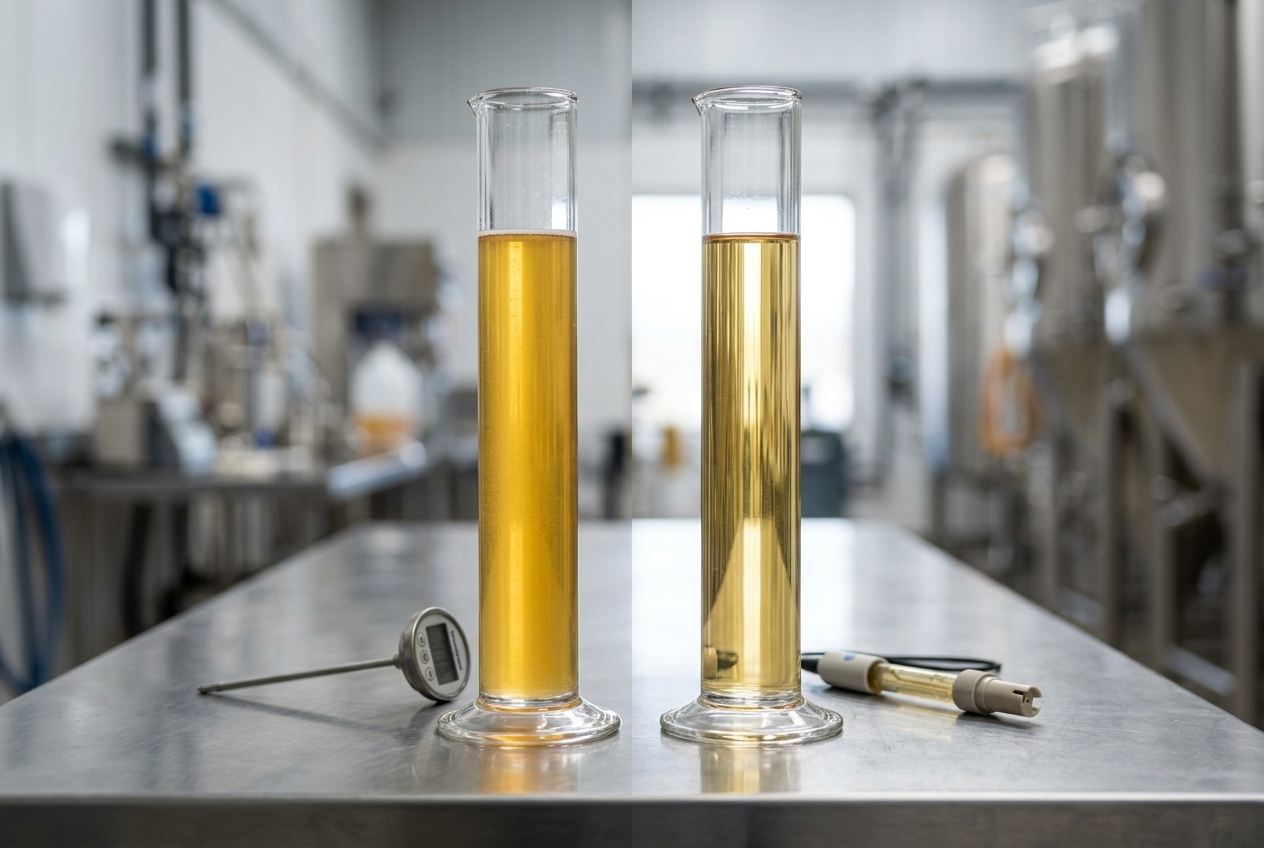
When a brewery calls with quality complaints, one question immediately narrows the investigation: "How are you filtering your beer?" The answer reveals more than technical preference—it exposes fundamental understanding of the brewing process and commitment to product quality.
Twelve years ago, I visited a struggling craft brewery producing excellent flavor but losing customers to hazy, unstable beer. Their filtration system—a secondhand unit improperly sized for their production volume—was creating more problems than it solved. After upgrading to properly specified filtration, their shelf stability improved dramatically. Customer complaints vanished within months.
That experience crystallized my understanding: filtration isn't just clarification, it's the final transformation turning good beer into great beer. CASSMAN has integrated filtration expertise into our comprehensive brewing solutions, ensuring customers achieve both flavor excellence and visual appeal.
Understanding Beer Filtration
What Is Beer Filtration?
Beer filtration is the process of removing suspended particles, yeast cells, and protein-polyphenol complexes that cause haze and reduce shelf stability. Proper filtration achieves:
Plate and Frame Filters: Traditional design for DE filtration
Candle Filters: Vertical element configuration
Lenticular Filter Housings: Modern depth filtration vessels
Membrane Filter Housings: Pressure vessels for membrane elements
All CASSMAN filtration vessels feature:
304/316 stainless steel construction
Sanitary clamp connections
Pressure-rated construction
Complete documentation packages
Filtration Modules
Pre-configured filtration skids integrating:
Filter vessels
Transfer pumps
Flow meters
Pressure monitoring
Control systems
Turnkey filtration modules simplify installation and ensure proper system integration.
Filtration Media
CASSMAN supplies comprehensive filtration media:
Diatomaceous Earth Grades:
Coarse pre-coat (Celatom, Standard Celite)
Fine polish coat (Fine Flow, Super-Cel)
Custom blends for specific applications
Lenticular Filter Sheets:
Various micron ratings (0.5-25 micron)
High-flow and high-capacity variants
Pre-sterilized options available
Membrane Elements:
0.45 micron nominal ratings
0.65 micron for higher flow
Sanitary design for brewing applications
Filtration Process Optimization
Pre-Filtration Requirements
Proper filtration requires prepared beer:
Chill Hazing Test:
Before filtration, verify beer stability through chill haze testing. Beer that hazes significantly upon cooling indicates insufficient stabilization, likely to cause post-filtration haze development.
Proper Conditioning:
Allow adequate maturation time (typically 1-3 weeks) before filtration. Under-conditioned beer contains excessive proteins and polyphenols causing filtration difficulties and haze.
Gentle processing preserves delicate hop character
Perfect for American lagers, European pilsners
Flavor-Forward Ales
Hop-forward and flavor-intensive ales require filtration finesse:
Consider depth filtration at larger micron ratings
Balance clarity against flavor retention
Crossflow filtration offers excellent selectivity
Test small batches before full production
Hazy IPAs and Specialty Styles
Modern hazy beer styles present unique considerations:
Some breweries intentionally avoid filtration
If filtration required, use minimal 1.0+ micron ratings
Crossflow systems offer precise control
Communicate filtration approach to consumers
High-Alcohol and High-Gravity Beers
Strong beers require modified approaches:
Higher viscosity demands colder temperatures
Extended conditioning time essential
Consider additional pre-filtration stages
Membrane filtration preferred for consistency
Quality Assurance and Validation
Filtration Validation
Verify filtration effectiveness through testing:
Turbidity Measurement:
Use laboratory turbidimeters to measure pre- and post-filtration turbidity. Target <0.5 NTU for brilliantly clear beer.
Microbiological Testing:
Filter validation includes microbial testing:
Pre-filtration yeast counts
Post-filtration sterility verification
Package sterility confirmation
Shelf Stability Testing:
Challenge tests verify filtration consistency:
Accelerated aging protocols
Chill haze monitoring
Sensory evaluation across shelf life
Documentation Requirements
Beverage companies require comprehensive records:
Filtration parameters for each batch
Media lot numbers and expiration dates
Equipment cleaning and sanitization records
Operator signatures and observations
CASSMAN provides documentation templates and quality control worksheets supporting regulatory compliance.
Cost Considerations
Capital Investment
Filtration system costs vary by technology and capacity:
System Type
Typical Investment
Plate and Frame (DE)
$15,000-50,000
Lenticular
$20,000-80,000
Membrane
$30,000-150,000
Crossflow
$50,000-200,000+
Operating Costs
Ongoing filtration expenses include:
Consumables:
Filter media (DE, sheets, membranes)
Sanitizing chemicals
Quality control testing
Maintenance:
Membrane replacement
Equipment servicing
Spare parts inventory
Utilities:
Refrigeration for temperature control
Compressed air
Water for cleaning
Total Cost of Ownership
Evaluate filtration costs across entire equipment lifecycle:
Initial investment vs. capacity
Consumables cost per barrel
Labor requirements
Quality impact on revenue
Waste generation and disposal
Maintenance and Cleaning
CIP Procedures
Proper cleaning ensures filtration system performance:
Pre-Filtration CIP:
Water rinse until clear
Caustic wash (1-2% NaOH) at 60-70°C
Water rinse to neutral pH
Acid wash (0.5-1% nitric or phosphoric)
Final water rinse
Sanitize before use
Post-Filtration CIP:
Immediate water rinse
Caustic circulation
Water rinse
Acid wash
Final rinse and sanitization
Media Replacement
Regular media replacement maintains performance:
Diatomaceous Earth:
Replace pre-coat after each run
Adjust dosage based on turbidity
Monitor pressure differential
Lenticular Sheets:
Replace per manufacturer guidelines
Track pressure differential for replacement timing
Store in cool, dry location
Membranes:
Follow manufacturer protocols
Implement integrity testing
Plan replacement based on performance decline
FAQ: Beer Filtration Systems
Q: What type of filtration is best for craft breweries?
A: Lenticular depth filtration or membrane filtration best suits most craft breweries. Choose based on production volume, budget, and flavor philosophy. CASSMAN helps customers evaluate options during specification.
Q: Does filtration affect beer flavor?
A: Aggressive filtration can strip flavor compounds, particularly with DE systems. Modern membrane filtration offers excellent clarity with minimal flavor impact when properly specified and operated.
Q: How often should filter media be replaced?
A: Replacement frequency depends on beer volume, turbidity, and media type. Lenticular sheets typically last 10-50 hectoliters. Membranes may operate for months with proper maintenance. Track pressure differential to optimize replacement timing.
Q: Can CASSMAN upgrade existing filtration systems?
A: Yes, CASSMAN provides filtration system upgrades and retrofits. Our engineering team evaluates existing equipment and recommends improvements to enhance capacity, quality, or efficiency.
Q: What support does CASSMAN provide for filtration systems?
A: CASSMAN provides complete filtration support including specification assistance, installation guidance, operator training, process optimization consultation, and ongoing technical support.
Q: How do I determine the right filtration capacity for my brewery?
A: Consider your batch frequency, tank turnaround requirements, and growth projections. CASSMAN's technical team helps calculate filtration capacity needs and specifies systems accordingly.
Conclusion
Beer filtration represents the final transformation in brewing, turning fermented wort into the brilliantly clear, stable product consumers expect. This critical step directly impacts product quality, brand reputation, and customer satisfaction.
CASSMAN has integrated filtration expertise into our comprehensive brewery solutions, offering systems matched to every scale and requirement. From initial specification through ongoing support, our engineering partnership ensures optimal filtration outcomes.
Whether you're establishing filtration for the first time or upgrading existing systems, CASSMAN stands ready as your filtration partner. Our 20 years of experience and 500+ successful projects demonstrate our commitment to brewing excellence worldwide.
We're more than just a manufacturer; we are your engineering partners in brewing quality.
Written by Henry Chen, CEO
Henry Chen brings over 20 years of craft beverage equipment expertise to CASSMAN's filtration solutions. His hands-on experience helping breweries troubleshoot quality issues has shaped CASSMAN's integrated approach to brewing systems. Henry believes great beer deserves perfect presentation, and proper filtration delivers that final quality assurance.
Ready to Build Your Brewery with a Trusted Partner?
Don't navigate the world of brewery manufacturing alone. Let my team of experienced engineers provide you with a no-obligation quote and a preliminary design for your project.