The Engine of Your Brewery
In the world of brewing, heat is the engine that drives the entire process. From mashing in to the rolling boil, precise temperature control is what separates a good beer from a great one.
While homebrewers often rely on direct fire (gas burners) or electric elements, the vast majority of professional, commercial-scale breweries utilize a steam heated brew house. But why is steam the industry standard? And how exactly does it work?
In this guide, we will break down the brewing system basics of steam technology, explaining why it is the preferred method for breweries ranging from 5 BBL to industrial scales.
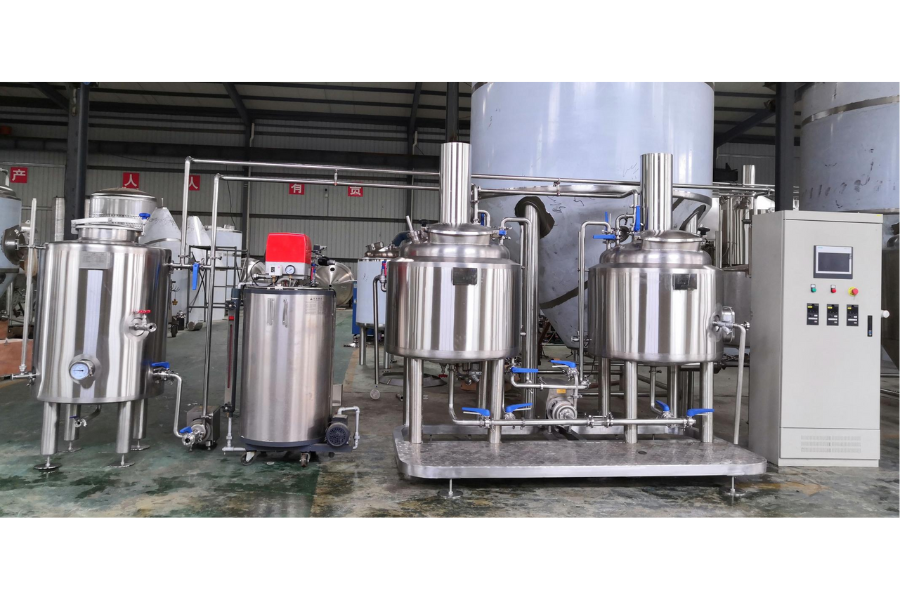
What is a Steam Heated Brew House?
A steam heated brew house is a brewing system that uses pressurized steam, generated by an external boiler, to heat the vessels (Mash Tun, Kettle, and Hot Liquor Tank).
Unlike direct fire, where a flame touches the bottom of the tank, steam heating is indirect and much more controlled.
The Core Components
The Steam Boiler: This is a separate unit (gas, electric, or oil-fired) that turns water into pressurized steam. It is the "heart" of the heating system.
Steam Jackets (Dimple Plates): These are hollow cavities welded onto the bottom and sides of the Cassman brewhouse vessels. The steam flows through these jackets, transferring heat to the wort inside.
Steam Piping & Traps: A network of insulated pipes delivers steam to the tanks, while "steam traps" capture the condensed water (condensate) and return it to the boiler to be reheated.
Explore our equipment: View our range of Steam Heated Brew House Systems to see these components in action.
How Does Steam Heating Work?
The principle behind steam heating in brewing is based on "latent heat." Here is the step-by-step process:
Generation: The boiler heats water under pressure. Because it is pressurized, the steam carries a massive amount of thermal energy.
Distribution: This steam travels through pipes to the Mash Tun or Brew Kettle.
Heat Transfer: The steam enters the dimple jackets on the tank. As the hot steam contacts the inner wall of the tank (which is cooler because of the wort inside), it condenses back into water.
Energy Release: This phase change—from gas (steam) to liquid (water)—releases a huge burst of heat energy, which passes through the steel and heats the wort rapidly and evenly.
Return: The liquid water (condensate) flows out of the jacket and is pumped back to the boiler to start the cycle again.
Advantages of Steam Heating in Brewing
Why do brewers prefer steam over electric or direct fire options?
1. Superior Heating Efficiency
Steam provides a larger surface area for heat transfer. Because the jackets cover both the bottom and the sides of the kettle, you can achieve a vigorous boil much faster than with bottom-only heating methods.
2. Prevention of Scorching (Caramelization)
Direct fire creates "hot spots" that can scorch the wort, leading to burnt flavors or excessive darkening of the beer. Steam provides gentle, even heat distribution, which is critical for maintaining the delicate malt profile of lighter beer styles like Lagers or Pilsners.
3. Precise Temperature Control
With modern automated valves, you can control the flow of steam with incredible precision. This allows for exact step-mashing (raising temperatures for different enzymatic rests) and maintaining a steady boil without boil-overs.
4. Energy Recovery
A well-designed steam system is a closed loop. The hot water (condensate) is reused, meaning the boiler doesn't have to work as hard to heat cold water from scratch, saving energy costs in the long run.
Conclusion
A steam heated brew house represents the gold standard for professional brewing. It offers the power needed for rapid production and the finesse required for high-quality artisanal beer. While it requires an external boiler and professional installation, the payoff in consistency and efficiency makes it the top choice for expanding breweries.
At Cassman, we design our steam vessels with optimized jacket placement to ensure your brew day runs smoothly and efficiently.
Planning a commercial brewery?
Don't underestimate the complexity of steam piping and boiler sizing. Click here to contact our engineering team. We can design a full steam layout for your facility, ensuring your boiler and brewhouse work in perfect harmony.
Frequently Asked Questions (FAQ)
Q: Is steam heating better than electric heating for a brewery?A: For systems larger than 7-10 BBL, steam is generally better. It is faster, cheaper to run in many regions (depending on gas vs. electric rates), and allows for more vigorous boils. Electric heating is great for smaller nano-breweries (3-5 BBL) where installing a boiler is difficult.
Q: Do I need a special license for a steam boiler?A: Yes, in most countries and states, operating a pressure vessel like a steam boiler requires a permit and regular inspections. Always check your local regulations.
Q: Can I use the steam boiler to heat water for cleaning?A: Absolutely. A steam boiler can heat your Hot Liquor Tank (HLT) very quickly, providing ample hot water for mashing in and CIP (cleaning) processes.
Q: What is a "Low Pressure" steam system?A: Many craft breweries operate "low pressure" boilers (under 15 PSI). These are often safer and require less stringent licensing than high-pressure industrial boilers, while still providing plenty of heat for brewing.


