As the CEO of Jinan Cassman Machinery, I have had the privilege of guiding dozens of brewery projects from concept to reality. Over the years, I have seen the 500L brewhouse emerge as the undisputed "sweet spot" for restaurant breweries worldwide, particularly for venues with 80–120 seats.
If you are preparing to open a 100-seat venue in 2026, you are likely thinking about how to balance quality with profitability. In my experience, a clearly defined 500L system—designed with room for future expansion—is the fastest, most reliable way to move from a rough concept to profitable, on-site beer production.
Why a 500L System is Perfect for a 100-Seat Restaurant
I often advise my clients that in daily operations, a 500L brewhouse is the ideal size. It typically brews enough beer per batch to support multiple taps with fresh house beers without overwhelming your kitchen and bar teams.
For most restaurant breweries I consult with, this scale strikes a perfect balance between investment, production volume, and staffing. It allows you to maintain strict quality control while learning customer preferences during that critical first year.
From my perspective, the key advantages include:
Manageable Capital Expenditure: It requires a lower upfront investment compared to large production systems, while still generating meaningful sales volume.
Production Flexibility: It allows for flexible scheduling of core and seasonal beers, so your brand can evolve based on actual market feedback.
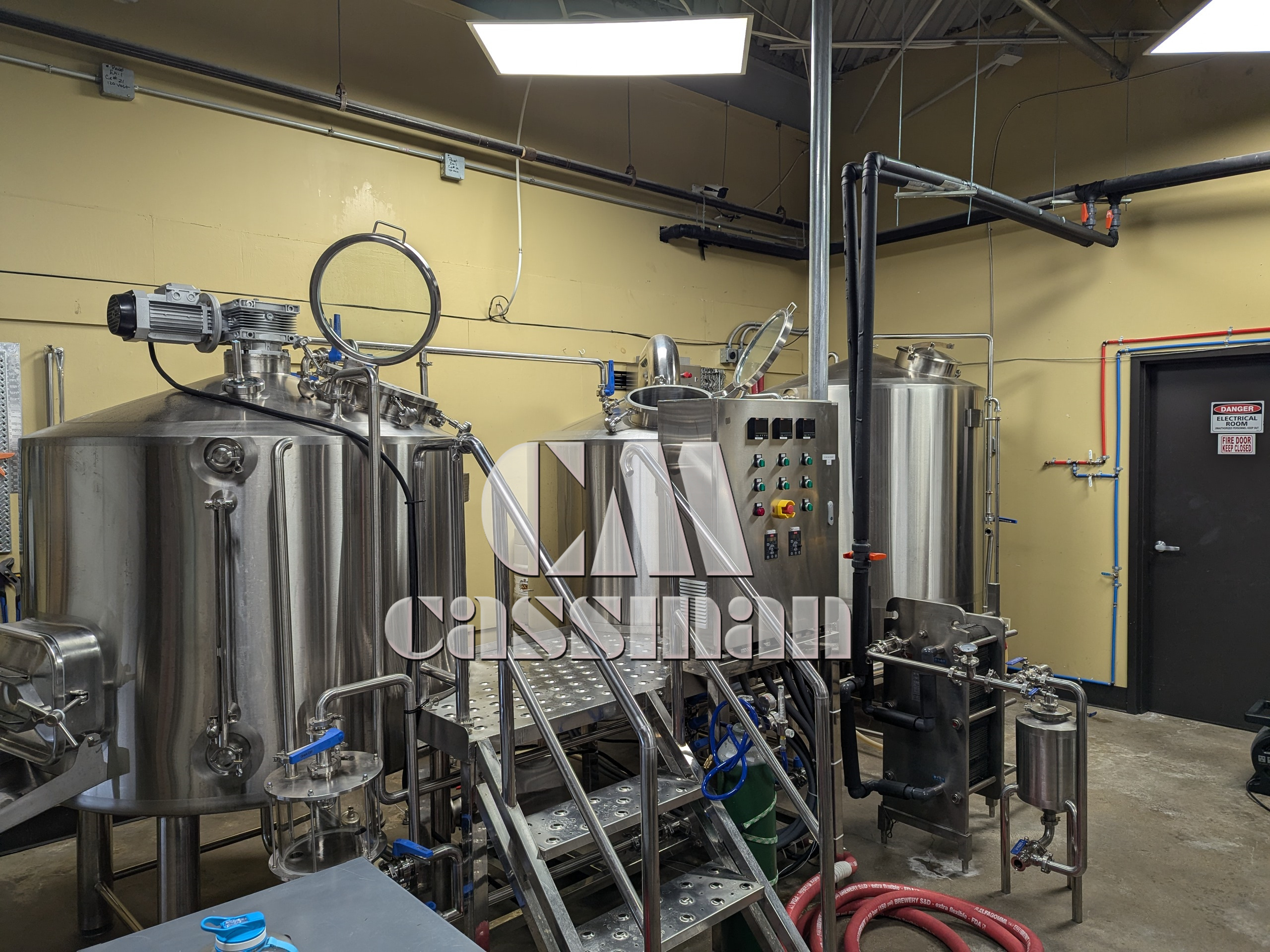
Designing the 500L Electric Brewhouse (220–240V, 3-Phase)
When a client comes to me specifying a 500L brewhouse with electric heating and 3-phase 220–240V power, I know they are focused on installation simplicity and precise temperature control.
Electric jackets on mash/lauter tuns and kettle/whirlpool vessels are exceptionally well-suited for restaurant environments where steam boilers can be difficult to permit or maintain. Based on my experience ensuring long-term success for my clients, I recommend the following for a future-proof layout:
Robust Construction: A compact 2- or 3-vessel brewhouse built with SUS304 stainless steel, equipped with sanitary pumps and a plate heat exchanger.
User-Friendly Controls: Clear, intuitive control panels that make the brewer's job easier.
Electrical Readiness: An electrical design tailored to your local standards, with power distribution sized not just for current 500L operations, but for planned upgrades like additional tanks.
Building the Tank Farm and Support Systems
A common question I get is, "How many tanks do I actually need?" For a 100-seat restaurant brewery, my standard recommendation—proven successful in many of our projects—is a configuration of 6 × 500L fermenters, 3 × 500L bright tanks, and a 1000L hot liquor tank (HLT).
This setup provides a solid foundation for continuous production and a diverse tap lineup, while keeping cellar management straightforward for a small brewing team.
From an investment and operations angle, I always emphasize including:
Fermentation & Conditioning: Multiple fermenters and bright tanks allow for staggered production, ensuring you always have core beers available while experimenting with small batches.
Essential Utilities: Don't skimp on the support system. You need an RO water system, a correctly sized glycol chiller, a mobile CIP unit, a malt mill, and a 1-head keg washer/filler. These ensure consistent quality and efficient keg turnaround.
Planning Your 400–600 m² Layout with Expansion to 1000L Tanks
Recently, I reviewed a project request for a 400–600 m² layout with provisions for two future 1000L tanks. I was impressed because this shows mature, long-term planning. At this scale, careful zoning of brewing, utilities, storage, and seating is essential to meet safety requirements and deliver an attractive guest experience.
In similar projects where I have guided the layout design, my team usually:
Defines a Production Zone: We reserve a clearly defined area for the 500L brewhouse and current tanks. Crucially, we ensure the floor drains, glycol lines, and electrical capacity are already designed to handle the load of two additional 1000L tanks.
Prioritizes the Guest View: We position the brewhouse so guests can see the equipment—creating that "theater of brewing"—while keeping wet floors, steam, and cleaning operations safely separated from the dining areas.
Certificates, Documentation, and Risk Control
Shipping brewery equipment internationally is not just about building great hardware; it is about logistics. For cross-border projects—for example, shipping brewery equipment from China to Thailand—documentation and trade compliance are just as important as the technical design.
I have seen many projects get delayed by paperwork. A proper Certificate of Origin and support for preferential tax policies (like the Thailand–China FTA) can significantly reduce your total landed cost and simplify customs clearance.
From my desk, here is our best practice:
We provide complete technical files, layout drawings, P&ID, and utility requirements together with the commercial quotation.
We issue Certificates of Origin and other export documents in line with local customs rules, so you can focus on construction and licensing rather than wrestling with paperwork.
Let’s Build Your Brewery Together
Every serious inquiry I receive—like the one for a 500L restaurant brewery with clear tank counts, support systems, and expansion plans—deserves a tailored engineering and commercial proposal.
If you are planning to open or upgrade a restaurant brewery in 2026 and need a 500L system (or similar capacity) with professional layout design, documentation, and after-sales support, Jinan Cassman Machinery is ready to assist.
To receive a customized layout, detailed quotation, and catalog directly from my engineering team, please send your project details (seating capacity, building drawings, and target opening date) through the inquiry form on the Cassman website or contact page. We will follow up with a complete solution proposal.
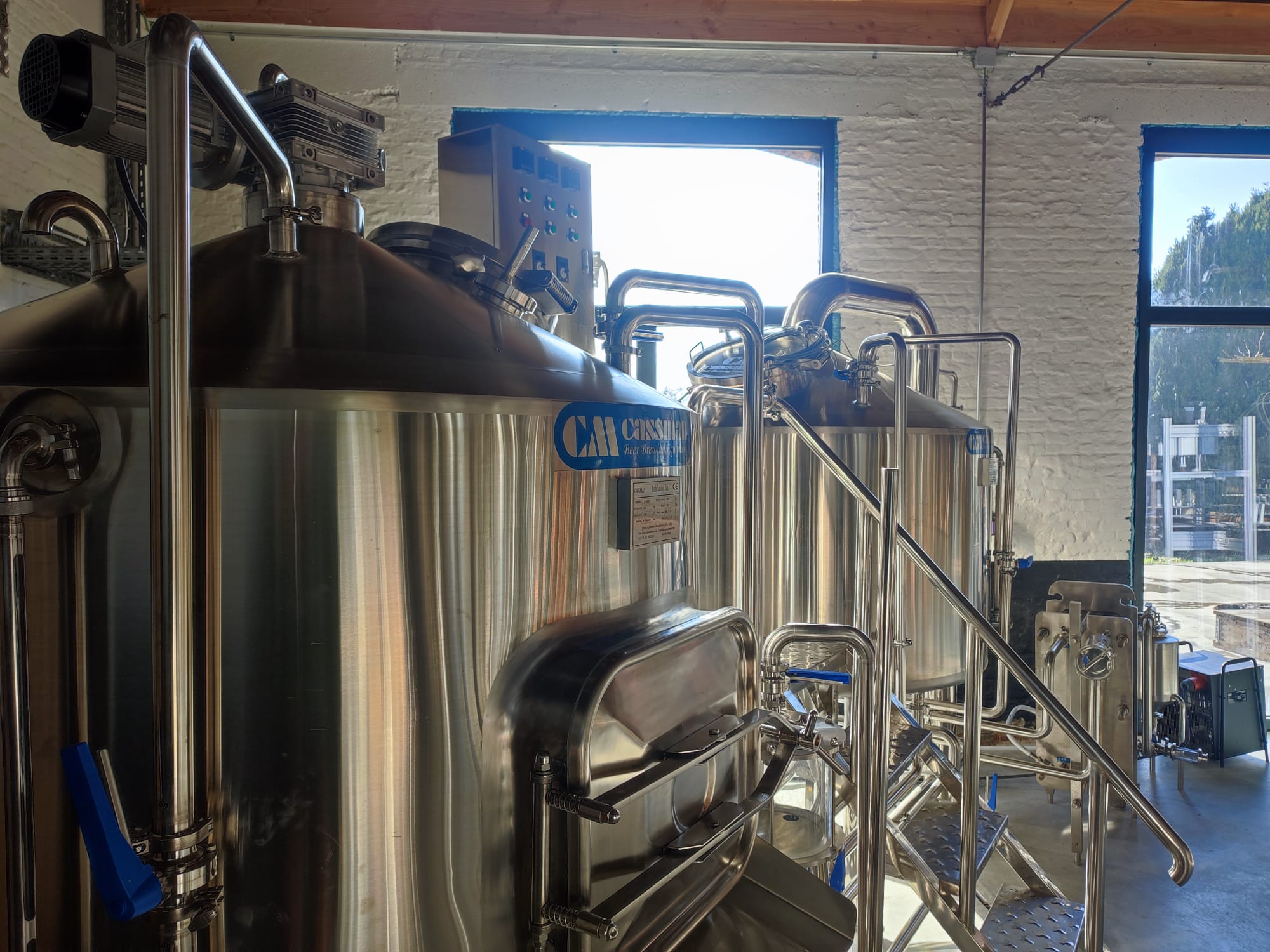
About the Author
Henry Chen is the CEO of Jinan Cassman Machinery Co., Ltd., a leading manufacturer of brewing equipment dedicated to helping restaurateurs and brewers turn their vision into reality.


