Distilling is where art meets engineering. Whether you are planning to produce a rich, smoky Single Malt or a crystal-clear Vodka, the quality of your spirit is directly dictated by the quality of your machinery.
But for new entrants to the industry, the terminology can be overwhelming. Dephlegmators, bubble plates, lyne arms—what do they actually do?
To choose the best Distillery Equipment, you must first understand the fundamental role each component plays in the distillation process. This guide breaks down the machinery that turns simple fermented wash into liquid gold.
What is Distillery Equipment? Defining the System
At its core, Distillery Equipment is a thermal separation system. It is designed to heat a liquid mixture (the wash), turn the alcohol into vapor, and then cool it back into a liquid with a higher alcohol concentration.
However, professional equipment goes beyond simple boiling. A high-quality system from Cassman is engineered to:
Refine Flavor: By using copper components to strip out sulfur compounds.
Control Purity: By precisely separating the "Heads," "Hearts," and "Tails."
Ensure Safety: By managing pressure and flammable vapors in a controlled environment.
Types of Distillery Equipment: The Core Components
A complete distillery is more than just a still. It is an ecosystem of vessels. Here are the critical pieces you need to know.
1. The Still (The Heart)
There are two main types, and your choice depends on what you want to make.
Pot Stills: The traditional choice for Whiskey, Rum, and Brandy. They are less efficient but retain more of the raw ingredient's flavor profile.
Column (Reflux) Stills: These tall towers contain plates that allow for multiple distillations in a single run. They are essential for high-purity spirits like Vodka and Gin.
Note: Many modern Cassman Hybrid Stills combine a pot belly with a side column, giving you the versatility to make both whiskey and vodka on one machine.
2. Fermentation Tanks (The Womb)
Before you can distill, you must ferment.
Washbacks: These are specialized stainless steel or wood tanks where yeast converts sugar into low-proof alcohol (wash).
Cooling Jackets: Essential for controlling the vigorous heat generated during fermentation.
3. Condensers (The Finish Line)
Shell and Tube: The most common method for turning hot vapor back into liquid spirit.
Gin Basket: An optional chamber where vapor passes through botanicals (juniper, citrus) to infuse flavor.
How Distillery Equipment Works: The Process
Understanding the workflow helps you size your equipment correctly.
Heating: The wash is heated in the pot (via steam jacket or electric elements). Alcohol boils at a lower temperature (78°C) than water (100°C).
Vaporization: Alcohol vapor rises. If it hits a copper dome, sulfur reacts with the copper and is removed (crucial for smooth taste).
Reflux (Optional): In a column still, vapor rises and condenses on plates, then drops back down. This cycle repeats, stripping out water and increasing alcohol purity (ABV).
Collection: The final vapor passes through the condenser and emerges as spirit. The distiller makes "cuts" to collect only the good "Hearts."
The "Factory Direct" Advantage in Distilling
Distillery equipment is expensive and complex. Buying from a middleman adds a layer of cost and a layer of miscommunication.
Custom Geometry: Does your building have a low ceiling? As a Factory Direct manufacturer, Cassman can shorten the column or widen the pot to fit your space.
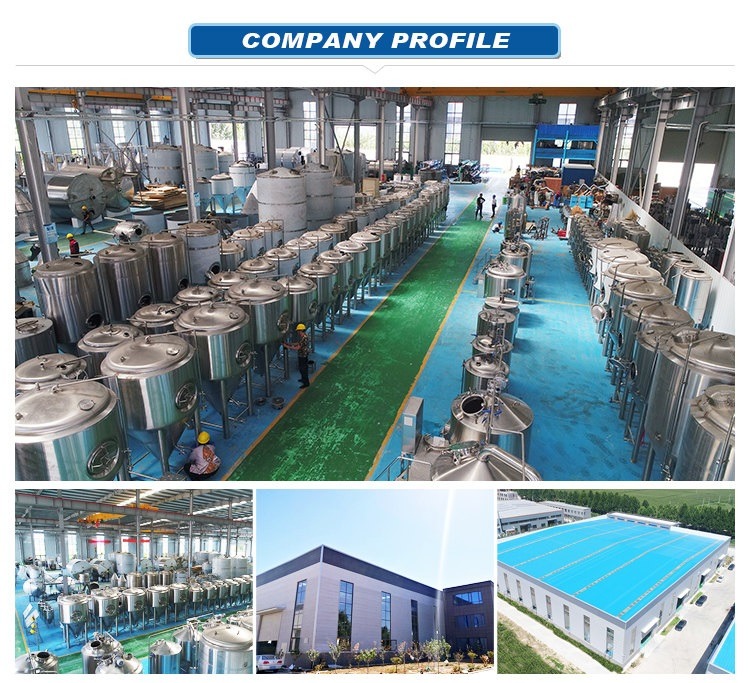
Material Integrity: We use certified Red Copper and SS304 Stainless Steel. You can speak directly to our engineers about the thickness of the copper—a critical factor in the lifespan of your still.
Cost Efficiency: By skipping the importer markup, you can invest that money into better automation or larger capacity.
FAQ: Common Questions for New Distillers
Q: Do I need an all-copper still?
A: Not necessarily. An "all-copper" still is beautiful but expensive and hard to clean. The industry standard is a Hybrid Still: a Stainless Steel boiler (for durability and cost) with a Copper Dome and Copper Column Plates (for sulfur removal). This gives you the best of both worlds.
Q: What size equipment should I start with?
A: For a startup craft distillery, a 500L to 1000L system is the sweet spot. It is large enough to be profitable but small enough to manage manually while learning the craft.
Q: Can one machine make both Whiskey and Vodka?
A: Yes! A Cassman Hybrid Still with a bypassable column allows you to run it as a Pot Still for whiskey or engage the column plates for vodka.
Conclusion: The Foundation of Your Brand
Distillery equipment is not just hardware; it is the tool that defines your brand's flavor signature. Whether you need the robust character of a Pot Still or the surgical precision of a Column Still, understanding the mechanics is the first step to success.
Don't leave your spirit quality to chance. Choose equipment that is engineered for performance and built to last.
Ready to Build Your Distillery?
From design to installation, Cassman provides Factory Direct solutions for distilleries of all sizes. Contact Us Today to discuss your spirit goals and get a custom quote.
Share This Distilling Guide
Know someone passionate about spirits? Share this guide to how it all works!
Ready to Build Your Brewery with a Trusted Partner?
Don't navigate the world of brewery manufacturing alone. Let my team of experienced engineers provide you with a no-obligation quote and a preliminary design for your project.