The Vessel Behind the Vintage
Winemaking is often described as a blend of art and science. While the grapes provide the art, the equipment provides the science. At the center of this process sits the wine tank.
For a new winery owner or an enthusiast, a tank might look like a simple steel cylinder. But to a winemaker, it is a controlled environment where temperature, pressure, and oxygen are managed to shape the final flavor profile of the wine. Choosing the right vessel is as important as choosing the right grapes.
In this guide, we break down what a wine tank is, the different types available, and how to choose the right one for your production needs.
Definition of a Wine Tank
A wine tank is a specialized vessel used in the production of wine for fermentation, maturation, storage, or carbonation.
Unlike a simple storage barrel, modern wine tanks—specifically Cassman Stainless Steel Wine Tanks—are engineered systems. They are designed to:
Control Temperature: Using glycol jackets to manage fermentation heat or cold stabilize white wines.
Manage Hygiene: Providing a sanitary surface (usually stainless steel) that prevents bacterial spoilage.
Control Oxygen: Protecting the wine from oxidation during storage or allowing specific amounts of air during fermentation.
Types of Wine Tanks: A Functional Breakdown
Not all tanks are created equal. Depending on the stage of the winemaking process, you will need different equipment.
1. Fermentation Tanks (The Workhorses)
The wine fermentation tank is where the magic happens—yeast converts sugar into alcohol.
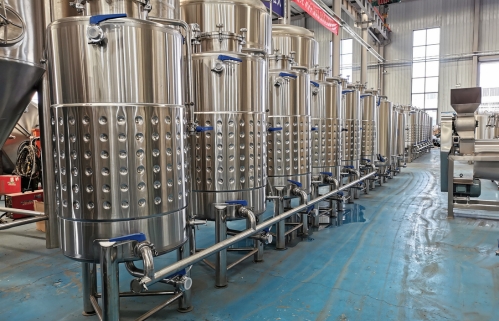
Features: These tanks typically feature cooling jackets (dimple jackets) to prevent the wine from overheating.
Red vs. White: Red wine fermenters often have wider manways or open tops for "punching down" the grape skins (the cap). White wine fermenters are usually closed to preserve delicate aromatics.
2. Brite Tanks (For Sparkling Wine)
While "Brite Tanks" are common in beer, in the wine world, they serve a specific purpose: Carbonation.
Usage: Used for making sparkling wines (Charmat method) or carbonated wine coolers.
Pressure: Unlike standard wine tanks, these are pressure-rated vessels equipped with carbonation stones to infuse CO2 into the liquid.
3. Storage / Maturation Tanks
Once fermentation is complete, wine needs a place to settle and age.
Variable Capacity (VC) Tanks: These are popular for smaller wineries. They feature a "floating lid" that moves down as you drain the wine, ensuring no air gap (ullage) is left to spoil the wine.
Fixed Top Tanks: Standard tanks for bulk storage, usually filled to the very top to exclude oxygen.
Comparison: Fermenter vs. Storage
Feature | Fermentation Tank | Storage Tank |
Cooling Jackets | Heavy coverage (critical for heat control) | Light coverage (for maintenance only) |
Bottom Shape | Sloped or Conical (for sediment removal) | Flat or Dish Bottom |
Manways | Large (for removing skins/pomace) | Standard / Small |
Pressure | Atmospheric (usually) | Atmospheric |
Materials Used in Wine Tanks
The material of the tank directly influences the wine's flavor and the winemaker's workflow.
1. Stainless Steel (The Industry Standard)
Stainless Steel Wine Tanks are the most common choice for modern wineries.
Pros: Neutral (adds no flavor), easy to clean (sanitary), durable, and excellent for temperature control.
Best For: Crisp white wines, rosés, and fruit-forward reds.
2. Oak (The Traditionalist)
Pros: Adds tannins and flavor (vanilla, spice), allows micro-oxygenation.
Cons: Hard to clean, expensive, and has a limited lifespan.
3. Concrete (The Trendsetter)
Pros: High thermal mass (stable temperature), allows micro-oxygenation without oak flavor.
Cons: Very heavy, difficult to move, and requires careful maintenance to prevent cracking.
How to Choose the Right Wine Tank
When browsing our Wine Tank Product List, consider these three factors:
1. Capacity and Headspace
Always buy a tank slightly larger than your expected batch size. For fermentation, you need 20-25% extra space (headspace) for the foaming "cap" of grape skins to rise without overflowing.
2. Geometry (Shape Matters)
Tall and Skinny: Better for settling sediment and saving floor space.
Short and Wide: Better for red wine fermentation as it increases the surface area between the juice and the skins, extracting more color and flavor.
3. Cooling Requirements
If you are making white wine or rosé, a tank with a full glycol cooling jacket is non-negotiable. You need precise control to ferment at low temperatures (12-16°C) to preserve fruity esters.
Conclusion
A wine tank is more than just a storage container; it is a precision tool that safeguards your investment. Whether you need a specialized fermenter with cooling jackets or a simple variable capacity tank for storage, choosing high-quality stainless steel ensures your wine stays clean, stable, and true to your vision.
At Cassman, we engineer tanks that meet the rigorous demands of professional winemaking.
Ready to Upgrade Your Cellar?
From nano-wineries to large estates, we have the vessel for you. Explore our range of Wine Tanks or contact us for a custom quote.
Frequently Asked Questions (FAQ)
Q: Can I use a wine tank for beer brewing?
A: Generally, no. Beer fermenters require higher pressure ratings and 60-degree conical bottoms for yeast harvesting. Wine tanks are usually atmospheric (no pressure) and have sloped bottoms. However, a pressure-rated "Brite Tank" can be used for both carbonated wine and beer.
Q: How do I clean a stainless steel wine tank?
A: Stainless steel is easy to clean using a CIP (Clean-In-Place) spray ball. Use a caustic cycle to remove organic tartrates (wine diamonds) and proteins, followed by an acid rinse to neutralize and passivate the steel.
Q: What is the difference between 304 and 316 stainless steel?
A: 304 stainless steel is the standard for most wine tanks. 316 stainless steel contains molybdenum, making it more resistant to corrosion from high chlorides or acids. For most winemaking, 304 is perfectly adequate and more cost-effective.


