The Green Revolution in Brewing
Brewing beer is an energy-intensive art. From boiling thousands of liters of wort to chilling fermentation tanks, a brewery consumes a significant amount of fuel and electricity. As energy costs rise and consumers increasingly demand eco-friendly products, sustainable brewing practices are moving from "nice-to-have" to "must-have."
For commercial breweries, the choice of heating system is the single biggest factor in their environmental footprint. While direct fire systems are common in smaller setups, they often lack the thermal efficiency required for modern sustainability standards.
In this guide, we explore why a steam heated brew house is not just a tool for better beer, but a strategic investment in energy efficiency in brewing and environmental responsibility.
How Steam Heating Reduces Energy Consumption
At first glance, installing a boiler seems like it would use more energy. However, due to the physics of phase change and heat transfer, steam is remarkably efficient for large-scale operations.
1. The Power of Latent Heat
Steam heating relies on "latent heat"—the massive amount of energy released when steam condenses back into water.
Efficiency: This phase change transfers heat much more rapidly than simple conduction (direct fire) or convection.
Result: You use less fuel to achieve the same temperature rise compared to heating the vessel directly with a flame, where much of the heat escapes up the exhaust flue.
2. High-Efficiency Dimple Jackets
Our Steam Heated Brew House Systems utilize advanced dimple jacket technology.
Surface Area: These jackets cover a large percentage of the tank surface, ensuring that nearly 100% of the thermal energy from the steam is absorbed by the wort.
Reduced Waste: Unlike gas burners that heat the air around the kettle, steam jackets keep the heat contained within the vessel insulation.
3. Precision Reduces Over-Boiling
With precise steam control, you can maintain a vigorous boil without excessive energy input. Once the boil creates the necessary evaporation rate (usually 6-8%), the steam can be throttled back instantly, saving fuel for the duration of the brew.
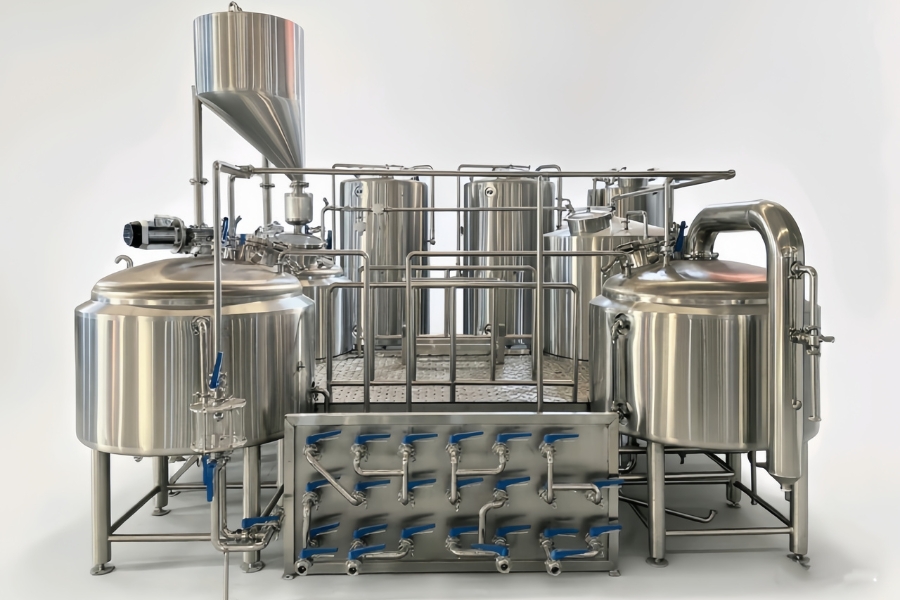
Environmental Impact: Lowering the Carbon Footprint
Beyond just saving money on utility bills, steam systems offer tangible steam heating environmental benefits.
The Closed-Loop Advantage
The defining feature of a modern steam system is the Condensate Return System.
Recycling Heat: When steam condenses in the kettle jacket, it turns into hot water (approx. 80°C - 90°C).
The Loop: Instead of dumping this water down the drain, it is pumped back to the boiler.
The Benefit: The boiler only needs to add a small amount of energy to turn this already-hot water back into steam. This drastically reduces fuel consumption and water usage compared to "once-through" heating methods.
Reduced Emissions
By maximizing thermal efficiency, breweries burn less natural gas or propane per barrel of beer produced. This directly correlates to a reduction in CO2 and NOx emissions, helping your brewery meet local environmental regulations and sustainability goals.
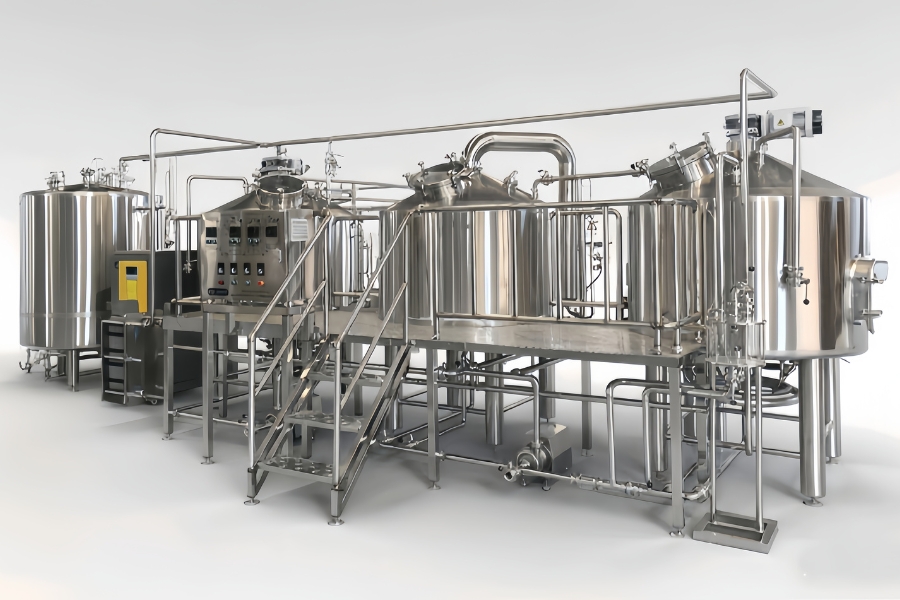
Real-World Impact: Operational Scenarios
Let's look at the operational difference when a brewery upgrades to a steam system.
Feature | Direct Fire / Electric | Steam Heated System | Sustainability Impact |
Heat Loss | High (Heat escapes into the room) | Low (Heat contained in jackets) | Lower HVAC costs for the facility. |
Water Usage | Standard | Reduced (Closed loop reuse) | Conserves water resources. |
Fuel Efficiency | ~50-60% thermal efficiency | ~80-85% thermal efficiency | Significant reduction in fossil fuel reliance. |
Longevity | Burners degrade/crack over time | Durable stainless steel jackets | Less equipment waste/replacement. |
Note: Efficiency varies based on boiler type and insulation quality.
Many of our clients report that after switching to a Cassman steam brewhouse, their energy cost per barrel drops significantly, allowing them to reinvest those savings into other green initiatives, such as solar panels or wastewater treatment.
Conclusion
Choosing a heating system is a decision that impacts your brewery for decades. While the initial setup of a steam boiler requires planning, the long-term benefits—lower operational costs, reduced carbon footprint, and superior process control—make it the clear winner for the eco-conscious brewer.
At Cassman, we design our equipment to maximize these benefits, ensuring that your passion for brewing contributes to a healthier planet.
Ready to brew sustainably?
Upgrade your facility with high-efficiency engineering. Click here to explore our Steam Heated Systems and contact us for a consultation on optimizing your brewery's energy usage.
Frequently Asked Questions (FAQ)
Q: How much energy can I save with a steam system compared to direct fire?
A: While it varies by brewery size, steam systems typically offer 20-30% better thermal efficiency than direct fire systems because heat is transferred directly to the liquid rather than heating the surrounding air.
Q: Is a steam boiler environmentally friendly?
A: Modern low-NOx boilers are very clean burning. When combined with a condensate return system (which recycles hot water), the total system efficiency is very high, making it a responsible choice for commercial manufacturing.
Q: Can I use renewable energy to power a steam boiler?
A: Yes! Electric steam boilers are available and can be powered by renewable sources like solar or wind energy, allowing for a potentially zero-emission brewhouse.
Q: Does steam heating help with water conservation?
A: Indirectly, yes. Because the condensate is recycled back to the boiler in a closed loop, you are not constantly refilling the heating system with fresh water, unlike some hot water circulation systems that may suffer from evaporative losses.


