Maintenance is Profit Protection
A brewhouse is not just a collection of steel tanks; it is the beating heart of your business. If the brewhouse stops, the beer stops, and so does the revenue.
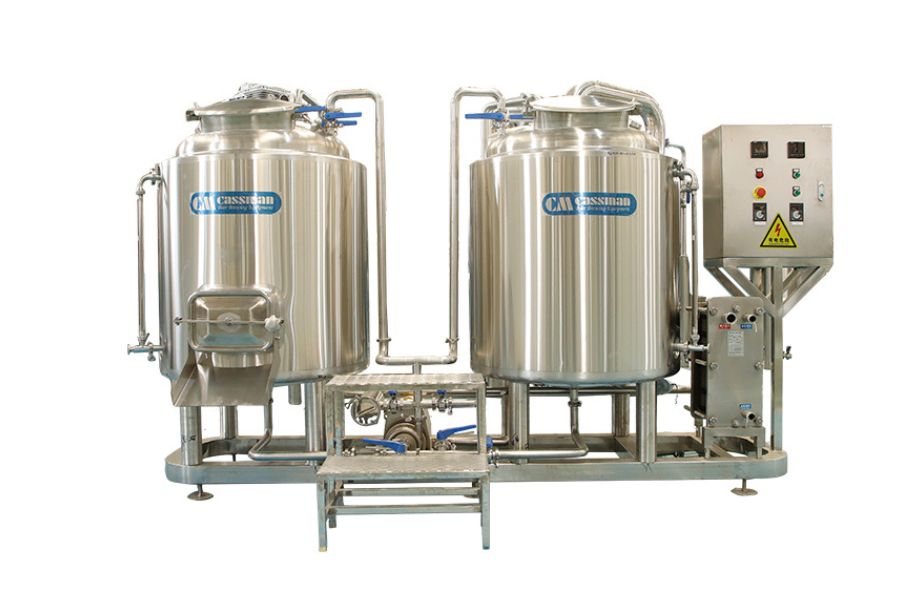
While Cassman Electric Brewhouses are designed for durability and ease of use, they—like any high-performance machine—require a proactive maintenance strategy. The difference between a system that lasts 5 years and one that lasts 20 years often comes down to the daily habits of the brewing team.
In this guide, we outline the best maintenance practices to ensure your electric system operates at peak efficiency, helping you avoid costly downtime and extend the lifecycle of your equipment.
Daily Maintenance Tasks: The "Pre-Flight" Check
Consistency in brewing starts with consistency in cleaning. These tasks should be part of every brew day SOP (Standard Operating Procedure).
1. The "No-Scorch" CIP Routine
Electric heating elements are in direct contact with the wort. If proteins or sugars are left on the element, they will burn during the next brew, creating off-flavors and damaging the element.
Action: Immediately after the boil, rinse the kettle and perform a hot caustic cycle (CIP).
Critical Step: Visually inspect the elements after draining. They should be shiny. If there is brown residue, scrub gently with a non-abrasive pad. Never use steel wool, as it damages the stainless steel passivation layer.
2. Electrical Safety & Connection Check
Action: Before turning on the main breaker, do a quick visual sweep of the control panel and cable connections.
Check: Ensure the floor around the panel is dry. Check that no water has splashed onto the conduit fittings entering the heating elements.
Safety Rule: Always follow "Lockout/Tagout" procedures if you need to open any electrical enclosure.
Weekly and Monthly Maintenance: Deep Care
Once the daily rush is over, take time for preventative care.
1. Descaling Heating Elements (The Acid Cycle)
Even with daily cleaning, "beer stone" (calcium oxalate) will eventually build up on heating elements. This scale acts as an insulator, forcing the element to work harder to heat the wort, which can lead to internal overheating and failure.
The Fix: Run a weekly or bi-weekly acid cycle (using a nitric/phosphoric acid blend) to dissolve mineral deposits.
Result: This restores the element's heat transfer efficiency, saving electricity and extending its life.
2. Sensor Calibration
Your PID controller is only as good as the data it receives.
The Fix: Once a month, fill your mash tun with water and check the temperature against a calibrated handheld thermometer.
Adjustment: If there is a drift (e.g., screen says 152°F, reality is 150°F), apply an offset in the controller settings.
3. Valve and Gasket Inspection
Common Issues and Troubleshooting
Even the best-maintained systems can encounter hiccups. Here is how to identify them quickly.
Symptom | Potential Cause | Solution |
Slow Heating Times | One phase/element is out | Check the amperage on your panel. If one element isn't drawing power, it may need replacement. |
Scorched Wort Flavor | Dirty elements or low flow | Inspect elements for carbon buildup. Increase pump speed during heating to move liquid faster. |
Element Failure | Dry Firing | Prevention is key. Ensure the liquid level is above the elements before turning on the power. |
Temperature Overshoot | PID needs tuning | Run the "Auto-Tune" function on your controller to recalibrate the heating algorithm. |
The "Factory Direct" Maintenance Advantage
One of the biggest anxieties for brewery owners is: "What if a part breaks?"
If you buy from a reseller, you might wait weeks for a replacement part to ship from overseas to them, and then to you.
By choosing Cassman Factory Direct, you gain a strategic maintenance advantage:
Direct Spare Parts Access: We stock standard heating elements, sensors, and gaskets. We can ship them directly to your door via express courier.
Expert Support: You aren't talking to a salesperson; you can communicate with the technical team that built your system.
Critical Spares Kit: We recommend every customer purchase a "Survival Kit" (1 spare element, 1 temp probe, set of gaskets) with their initial order. This ensures zero downtime.
Conclusion
An Electric Brewhouse is a robust, reliable machine that can drive your brewery's success for decades—but it needs your help. By choosing the right maintenance practices and partnering with a manufacturer that offers Factory Direct support, you ensure that your brewing schedule is never interrupted by preventable failures.
Treat your equipment with respect, and it will reward you with consistent, high-quality beer.
Need Spare Parts or Technical Advice?
Don't wait for a breakdown. Contact Cassman Support to order your spare parts kit or ask a technical question about your system.
Share This Maintenance Guide
Keep the beer flowing! Share these tips with your brewing team.


