Protecting the Heart of Your Brewery
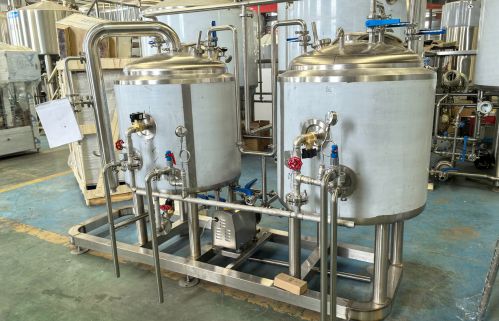
A Steam Heated Brew House System is the workhorse of a professional brewery. It delivers precise temperature control, vigorous boils, and rapid heating times. However, like any high-performance machine, its longevity and efficiency depend entirely on how well it is operated and maintained.
Neglecting your steam system doesn't just lead to expensive repairs; it can cause inconsistent brews, safety hazards, and downtime that halts production.
In this guide, we share best practices for operating steam heated brew houses and a comprehensive maintenance checklist to keep your Cassman equipment running smoothly for decades.
Operating Your Steam Heated Brew House
Proper operation starts before the brew day begins. Understanding the physics of steam will help you avoid common pitfalls like "water hammer" and thermal stress.
1. The Warm-Up Phase
Never open the main steam valve 100% instantly on a cold system.
Gradual Opening: Open steam valves slowly to allow the pipes and jackets to warm up gradually.
Condensate Removal: Ensure that the condensate return lines are open. Cold water (condensate) sitting in the lines must be pushed out by the incoming steam to prevent blockage.
2. Managing Steam Pressure
Your Cassman brewhouse is designed for specific pressure ratings (typically low pressure for brewing).
Monitor Gauges: Always keep an eye on the jacket pressure gauges.
Don't Over-Pressurize: Higher pressure equals higher temperature, but exceeding the design limit (usually 30-45 PSI / 2-3 Bar depending on specs) can damage the dimple jackets. Our systems come with Pressure Relief Valves (PRVs), but manual monitoring is a good habit.
3. Temperature Control Strategy
Steam carries "latent heat," meaning it transfers energy very fast.
Maintenance Best Practices: A Checklist
Routine brewing equipment care is cheaper than emergency repairs. Implement this schedule in your brewery.
1. Water Chemistry is King (The Boiler)
The #1 killer of steam systems is scale buildup.
The Issue: Minerals in water deposit on the inside of boiler tubes and steam jackets. This acts as an insulator, reducing heat transfer efficiency and causing metal to overheat and crack.
The Fix: Work with a local water treatment specialist to ensure your boiler feed water is properly treated and softened.
2. Inspect Steam Traps
Steam traps are the unsung heroes of the system. They let water (condensate) out but keep steam in.
Failed Open: Steam blows through into the return line, wasting massive amounts of energy.
Failed Closed: Water backs up into the kettle jacket, causing "cold spots" and preventing the wort from boiling.
Action: Check traps annually using a temperature probe or ultrasonic tester.
3. Check Safety Valves (PRVs)
Safety is non-negotiable.
4. Clean-in-Place (CIP) for Jackets?
While you CIP the inside of the tanks daily, the outside (the steam jacket) is a closed loop. However, if you have a steam leak, wort can sometimes get sucked into the jacket (rare, but possible). If you suspect contamination, the jacket may need a chemical flush by a professional.
Need spare parts? If you need replacement gaskets, valves, or traps, contact our Support Team.
Common Issues and Troubleshooting
Even with the best care, issues can arise. Here is how to troubleshoot common steam brewing system maintenance problems.
Problem 1: Loud Banging Noise in Pipes ("Water Hammer")
Cause: Steam coming into contact with a pocket of cold water in the pipes. The steam collapses instantly, creating a vacuum and a shockwave.
Solution: Ensure all condensate is drained from the system before introducing steam. Check that your steam traps are not blocked.
Problem 2: The Kettle Won't Reach a Boil
Cause: The jacket is likely waterlogged (flooded with condensate).
Solution: Check the steam trap on the kettle outlet. If it is clogged, water cannot escape, and steam cannot enter to heat the wort. Also, check for "air binding"—air trapped in the jacket prevents steam entry.
Problem 3: Steam Leaks at Fittings
Conclusion
A well-maintained steam heated brew house is a joy to operate. It provides the consistency your beer deserves and the efficiency your business needs. By following these operating protocols and maintenance schedules, you ensure that your investment in Cassman equipment pays dividends for years to come.
Treat your steam system with respect, and it will fuel your brewing success.
Need Technical Support?
If you are experiencing issues with your system or need to schedule a service consultation, reach out to Cassman's technical team here.
Frequently Asked Questions (FAQ)
Q: How often should I inspect my steam traps?
A: We recommend a visual inspection monthly and a functional test (using thermal or ultrasonic tools) at least once a year. A failed trap can cost thousands in wasted fuel.
Q: What is the most important maintenance task for a steam system?
A: Boiler water treatment. Preventing scale and corrosion is critical. Without it, both your boiler and your brewhouse jackets can suffer irreversible damage.
Q: Why is my steam jacket making a popping sound?
A: This is likely "water hammer." It usually happens during start-up if condensate hasn't been drained properly. Stop steam flow, drain the lines, and restart slowly.
Q: Can I use tap water in my steam boiler?
A: Generally, no. Tap water contains minerals that cause scale. You almost always need a water softener and specific boiler chemicals to protect the system.


