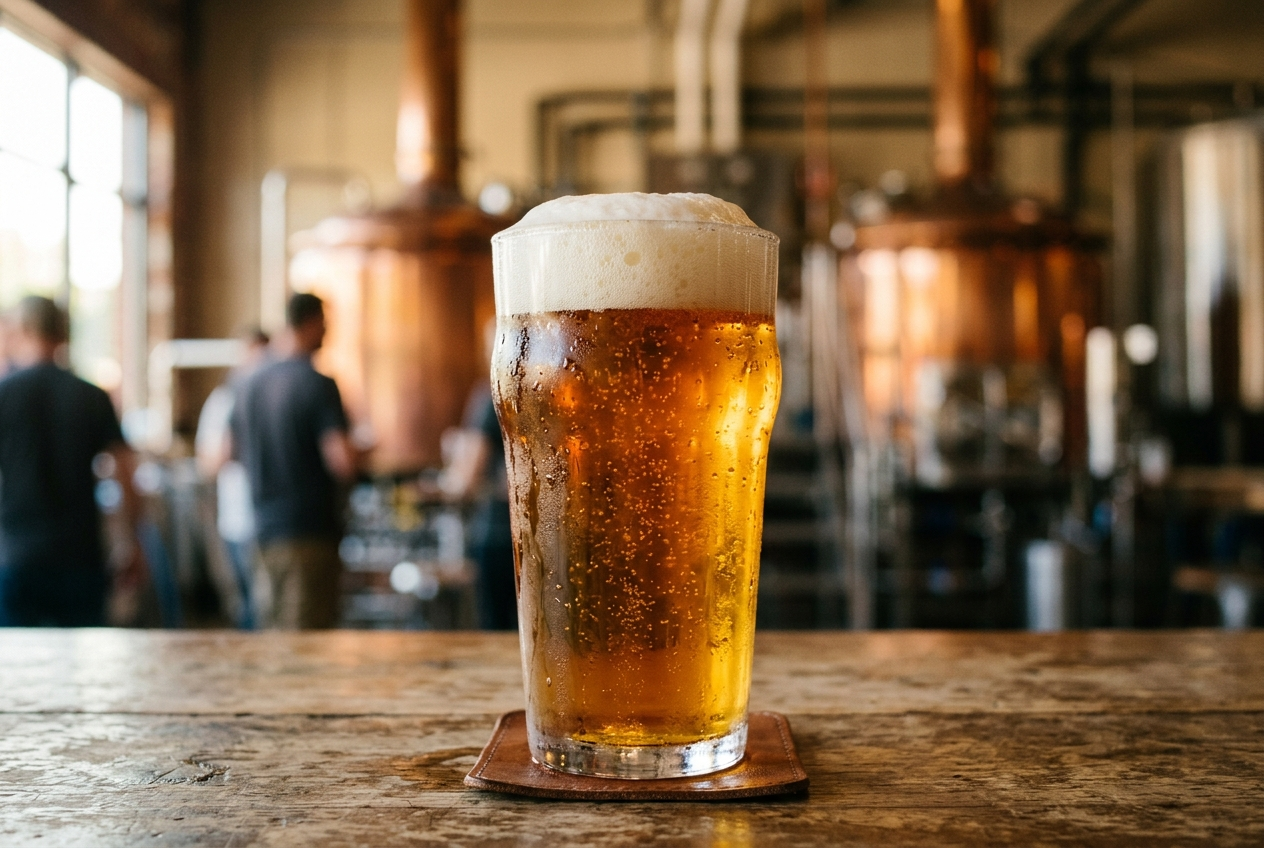
A few months ago, I visited a craft brewery in Colorado that had recently expanded from a 3-barrel system to a 15-barrel operation. The owner, Sarah, showed me around her new brewhouse and shared something that stuck with me: "The quality of your brewhouse system determines the ceiling of your beer. Everything else is just details."
She was right. Your brewhouse system is the heart of your brewery—it transforms raw ingredients into the liquid that carries your brand's promise. Whether you're starting your first brewery or upgrading your existing setup, understanding the components and configurations of a complete brewhouse system is essential to making informed decisions.
In this guide, I'll walk you through everything from mash tun to fermentation, drawing from over 20 years of experience helping breweries worldwide configure their perfect systems. At Cassman, we've supported 500+ brewery projects across 60+ countries, and I'm here to share what we've learned.
What is a Brewhouse System?
A brewhouse system is the complete set of equipment used to produce wort—the sweet liquid that becomes beer after fermentation. It includes all vessels where brewing processes occur: milling, mashing, lautering, boiling, and whirling.
According to Wikipedia's brewing glossary, the brewhouse is the heart of any brewery operation, where the fundamental transformation of grains into fermentable sugars takes place through the mashing process.
Modern brewhouse systems typically range from 50L home brewing setups to 30BBL+ commercial systems. The size you need depends on your production goals, available space, and growth projections.
Key Components of a Brewhouse System:
Grain mill
Mash tun
Lauter tun
Brew kettle (also called copper)
Whirlpool tank
Hot liquor tank (HLT)
Heat exchange system
Control panel (usually PLC-based)
Each component plays a specific role in the brewing process, and understanding these roles will help you evaluate different system configurations.
Understanding the Mash Tun: Where Beer Begins
The mash tun is where the magic starts. This vessel is where crushed grains (usually malted barley) are mixed with hot water in a process called "mashing." During mashing, enzymes convert starches into fermentable sugars—the food that yeast will later transform into alcohol.
Mash Tun Design Considerations
Volume and Dimensions: Your mash tun should accommodate your batch size with enough headspace for proper mixing (typically 20-30% additional volume). For example, if you're brewing 10 barrels of wort, you'll want a mash tun that holds at least 13-15 barrels.
Heating Methods:
Direct fire: Traditional method, provides intense heat but requires careful attention to prevent scorching
Steam-heated: Most common in commercial systems, provides even, controllable heat
Electric: Growing in popularity, especially for facilities without steam infrastructure
Indirect fired: Uses external heat exchangers for gentle, uniform heating
Insulation and Temperature Control: A well-insulated mash tun maintains consistent temperatures throughout the mash. Look for systems with quality insulation (PU foam is standard) and precise temperature control (±0.5°C accuracy).
False Bottom vs. Rakes: The bottom of your mash tun features a filtration system. False bottoms with precision slots (typically 0.7mm) are common in smaller systems, while rake systems with rotating arms are used in larger commercial setups.
Cassman mash tuns feature industrial-grade stainless steel (304 or 316L) construction with Ra ≤ 0.4μm interior finish for easy cleaning and optimal sanitation.
The Lauter Tun: Separation and Efficiency
The lauter tun's primary function is to separate the sweet wort from the spent grain (called "spent grain" or "mash tun grains"). This process is called "lautering" and includes two phases: vorlauf (recirculation) and runoff.
Lauter Tun Best Practices
Lauter Speed: Don't rush the lauter process. Optimal runoff speed balances clarity with efficiency. Too fast creates a muddy wort; too slow extends your brew day unnecessarily.
Grain Bed Depth: Maintain a grain bed depth of at least 15-20 cm (6-8 inches) for proper filtration. This creates the natural filter that clarifies your wort.
Sparging Technique: Proper sparging (rinsing the grain bed with hot water) maximizes sugar extraction. There are three main methods:
Batch sparging: Simpler, good for smaller systems
Continuous sparging: More efficient, standard for commercial breweries
No-sparge brewing: For specific beer styles, simpler process
Combined vs. Separate Vessels
Modern brewery equipment often combines the mash tun and lauter tun into a single vessel, especially in smaller to mid-sized systems. This "mash/lauter tun" configuration:
Reduces capital costs
Saves floor space
Simplifies operation
May slightly reduce efficiency compared to dedicated vessels
For large-scale commercial operations (15BBL+), dedicated vessels often provide better efficiency and flexibility.
Brew Kettle: Where Flavor Develops
The brew kettle (or copper, though no longer made of copper in most commercial systems) serves several critical functions:
Boiling the wort: Concentrates the sweet liquid and stops enzymatic activity
Hop addition: Releases hop oils and bitterness during vigorous boiling
Sterilization: Destroys bacteria and wild yeast
Color development: Creates the Maillard reaction for malty, caramel flavors
Protein coagulation: Removes unwanted proteins that cause haze
Brew Kettle Specifications
Capacity: Your brew kettle should handle your full batch volume plus allowances for evaporation (typically 5-10% per hour) and trub loss (2-5%).
Heating Options:
Steam-heated: Most efficient for commercial systems, provides even heating
Direct fire: Traditional, but can cause localized scorching
Electric: Clean, controllable, but higher operating costs in some regions
Whirlpool Dam: Many modern kettles include an internal whirlpool dam (a curved plate) that creates a controlled vortex during agitation, helping separate trub (spent hops and precipitated proteins) in the center of the vessel.
Cassman brew kettles feature double-wall construction with steam heating, CIP spray balls for automatic cleaning, and precision temperature control for optimal hop utilization.
Hot Liquor Tank (HLT): Temperature Precision
The hot liquor tank stores and heats brewing water—the foundation of every batch of beer. Water quality and temperature are critical; even subtle differences affect your final product.
Key HLT Features:
Precise temperature control: Brewers need water at specific temperatures for different steps (mashing in, sparging, batch sparging)
Sufficient capacity: Should hold enough hot water for your full mash volume plus sparge requirements
Steam or electric heating: Steam heating is more efficient for larger volumes
Sanitary design: Food-grade stainless steel construction with proper drainage
Professional breweries often maintain separate hot and cold liquor tanks, allowing precise temperature management throughout the brewing process.
Brewhouse Configurations: 2-Vessel vs. 3-Vessel vs. 4-Vessel
Choosing your brewhouse configuration is one of the most important decisions in setting up your brewery.
2-Vessel Brewhouse System
The most space-efficient configuration for your brewhouse system, typically combining:
Option A: Mash/Lauter Tun + Brew Kettle
Requires HLT for separate hot water
Good efficiency, popular for craft breweries
Requires careful management during transitions
Option B: Mash Tun + Kettle/Lauter (with external lauter tun)
Provides better lautering control
Popular configuration for expanding breweries
3-Vessel Brewhouse
The industry standard for commercial breweries:
Mash/Lauter Tun + Brew Kettle + Whirlpool Tank
Optimal balance of efficiency and simplicity
Clear separation of processes
Allows parallel operations (mashing while boiling)
Standard configuration for 7-30BBL breweries
4-Vessel Brewhouse
For high-volume or specialty operations:
Mash Tun + Lauter Tun + Brew Kettle + Whirlpool Tank
Maximum flexibility
Ideal for breweries with diverse beer portfolios
Higher capital investment
Common in regional craft breweries and craft-focused brewpubs
Cassman offers turnkey brewhouse solutions in all configurations, from compact 2-vessel systems to sophisticated 4-vessel setups with full automation.
Automation and Control Systems
Modern commercial brewhouses increasingly feature sophisticated control systems that improve consistency and reduce labor.
PLC-Controlled Brewhouse Systems
Programmable Logic Controller (PLC) systems offer:
Automated temperature ramping: Set your mash schedule, and the system executes it precisely
Pump and valve sequencing: Reduces operator error and fatigue
Data logging: Track brewing parameters for consistency and troubleshooting
Remote monitoring: Monitor your brew from anywhere via smartphone or computer
Manual vs. Automated Operation
Manual systems:
Lower initial cost
Greater connection to the brewing process
Suitable for teaching environments and small craft operations
Require skilled, attentive brewers
Automated systems:
Higher initial investment, but lower long-term labor costs
Greater batch-to-batch consistency
Allow smaller staff to manage larger systems
Essential for multi-shift operations
At Cassman, we offer systems across the automation spectrum, from fully manual to completely automated, ensuring there's a solution for every budget and operational philosophy.
Sizing Your Brewhouse: From Home to Commercial
Brewhouse Capacity Guidelines
Brewery Type
Typical Size
Batch Size
Weekly Production
Homebrew
50-100L
20-50L
Personal scale
Nano
1-2BBL
0.5-1BBL
2-4 BBL/week
Craft
7-15BBL
5-10BBL
20-50 BBL/week
Regional
15-30BBL
10-20BBL
50-150 BBL/week
Large Craft
30-60BBL
20-40BBL
100-300+ BBL/week
Calculating Your Needs
Consider these factors when sizing your brewhouse system:
Current production goals: Start with what you need to be profitable with your brewhouse system
Growth projections: Add 30-50% capacity buffer for growth
Tank availability: Balance brewhouse system capacity with fermentation tank scheduling
Sales channels: Taproom vs. distribution affects production rhythm
Batch frequency: How many batches per week can your brewhouse system manage?
Cassman's engineering team helps breweries calculate optimal system sizing based on their specific business plans and growth trajectories.
Sanitary Design and Food Safety
Brewery equipment must meet strict sanitary standards to produce safe, consistent beer. The American Society of Brewing Chemists (ASBC) establishes analytical methods and quality standards that inform industry best practices for brewing hygiene.
Key Sanitary Features
Stainless Steel Quality:
304 stainless steel: Standard for most applications
316L stainless steel: Required for certain acidic environments or wine applications
Surface finish: Ra ≤ 0.4μm for product-contact surfaces
CIP (Clean-in-Place) Systems:
Fixed spray balls for automatic tank cleaning
Chemical injection systems
Water and solution circulation
Reduces manual cleaning labor and ensures thorough sanitation
Design for Drainage:
All tanks should slope toward drains
Dead legs (stagnant water areas) should be minimized
Proper pipe gradients ensure complete drainage
Material Compatibility:
Use food-grade hoses, gaskets, and seals
Avoid materials that can leach into product
Document all material specifications
Cassman equipment meets international standards including ISO, CE, TUV, ASME, and UL certifications, ensuring your equipment passes any regulatory inspection.
Cost Considerations and ROI
Brewhouse system costs vary dramatically based on size, configuration, and automation level.
Typical Price Ranges
Configuration
Size
Price Range
2-Vessel Manual
7BBL
$30,000-$60,000
3-Vessel Semi-Auto
15BBL
$80,000-$150,000
3-Vessel Full Auto
30BBL
$150,000-$300,000
4-Vessel Turnkey
30BBL
$200,000-$400,000
Factors Affecting Cost
Brand: Premium European brands command higher prices
Automation level: Each automation feature adds cost
Materials: 316L vs. 304 stainless, jacket type
Integration: Turnkey packages vs. individual components
Shipping and installation: Significant cost factors for large systems
Customization: Custom vessels cost more than standard designs
ROI Considerations for Your Brewhouse System
A quality brewhouse system is a long-term investment. Consider:
Durability: A well-built system lasts 20+ years
Efficiency: Better extraction means lower grain costs per batch
Labor: Automation reduces ongoing labor costs
Flexibility: Systems that can grow with you avoid premature replacement
Support: Strong after-sales support minimizes downtime
Cassman offers competitive pricing on quality equipment, backed by 3-5 year warranties and lifetime after-sales support. Our goal is to be your long-term partner, not just equipment suppliers.
Installation and Training
A great brewhouse system is only as good as its installation and the team operating it.
Installation Requirements
Space Planning:
Allow 3-4 meters (10-12 feet) around all vessels for maintenance
Plan for grain handling and spent grain removal
Ensure adequate ceiling height for vessel placement and cleaning
Account for steam venting or condensing systems
Utilities:
Steam generation or electric heating capacity
Chilled water for cooling jackets
Compressed air for controls and pneumatic valves
Proper electrical service and grounding
Drainage:
Floor drains rated for high-volume liquid waste
Spent grain handling area
Hot water drainage considerations
Cassman provides comprehensive installation documentation and offers global on-site installation and training services. Our team has installed equipment in 60+ countries and understands local requirements.
Operator Training
Comprehensive training should cover:
Daily operating procedures
CIP and sanitation protocols
Troubleshooting common issues
Preventive maintenance schedules
Recipe development and adjustment
Safety procedures
Choosing Your Brewhouse Partner
Selecting equipment is only part of the equation—choosing the right manufacturer partnership shapes your brewery's future.
What to Look for in a Brewhouse Manufacturer
Experience: Look for manufacturers with proven track records in your market segment
References: Talk to existing customers about their experiences
Financial stability: Ensure long-term support availability
Cassman has been in the brewing equipment business for over 20 years, completing 500+ projects worldwide. We offer:
Professional brewery layout design (P&ID documentation)
Turnkey solutions from consultation to commissioning
3-5 year warranties on all equipment
Lifetime after-sales support
Global installation and training teams
Conclusion: Building Your Brewery's Foundation
Your brewhouse system is the foundation of everything your brewery will become. A well-chosen brewhouse system serves you reliably for decades; a poor choice creates ongoing headaches and limitations.
Remember Sarah from Colorado? Her new 15-barrel brewhouse system has allowed her to expand distribution, launch seasonal specialties, and maintain the quality that built her reputation. That's the power of the right equipment partnership from your brewhouse system.
Whether you're planning a nano brewery, expanding your craft operation, or building a regional facility, Cassman is ready to be your partner. From vision to first pour, we're with you at every step.
Ready to explore your brewhouse options? Contact our team for a customized proposal tailored to your production goals and budget.
Frequently Asked Questions
How long does it take to brew a batch on a commercial brewhouse system?
A typical brew day on a 15BBL commercial system takes 6-8 hours from grain mill to knockout (wort transfer to fermentation). This includes mashing (60-90 minutes), lautering (45-60 minutes), boiling (60-90 minutes), whirlpool (20-30 minutes), and cooling (30-45 minutes). Larger systems or more complex recipes may take longer.
What's the difference between a 2-vessel and 3-vessel brewhouse?
A 2-vessel brewhouse typically combines the mash tun and lauter tun into one vessel, with a separate brew kettle. A 3-vessel system has separate mash/lauter tun, brew kettle, and whirlpool tank. The 3-vessel configuration offers greater efficiency and flexibility, especially for high-volume operations.
How much does a complete brewhouse system cost?
Commercial brewhouse system costs range from $30,000 for basic 7BBL 2-vessel setups to $400,000+ for large, fully automated 4-vessel brewhouse systems. The total investment depends on size, configuration, automation level, and included peripherals. Turnkey brewhouse solutions that include all vessels, pumps, heat exchangers, and controls typically provide the best value for your brewhouse system investment.
What maintenance does a brewhouse system require?
Daily: CIP cleaning of all vessels, visual inspections, recorded brewing parameters. Weekly: Deep clean heat exchangers, check and calibrate sensors. Monthly: Inspect gaskets and seals, check valve operation, review maintenance logs. Annual: Professional inspection, replacement of wear parts, system calibration verification.
Can I start with a smaller system and upgrade later?
Yes, this is a common strategy. Many successful breweries started on 3-barrel systems and expanded to 7, 15, or 30-barrel setups as demand grew. Cassman designs systems with expansion in mind, allowing you to add vessels or increase automation over time without replacing your entire investment.
About Cassman
Jinan Cassman Machinery Co., Ltd. is a leading manufacturer of craft beverage equipment, serving breweries, wineries, and distilleries in 60+ countries. With 20 years of experience and 500+ completed projects, Cassman provides turnkey solutions from consultation through commissioning. All equipment carries 3-5 year warranties with lifetime after-sales support.
Ready to Build Your Brewery with a Trusted Partner?
Don't navigate the world of brewery manufacturing alone. Let my team of experienced engineers provide you with a no-obligation quote and a preliminary design for your project.